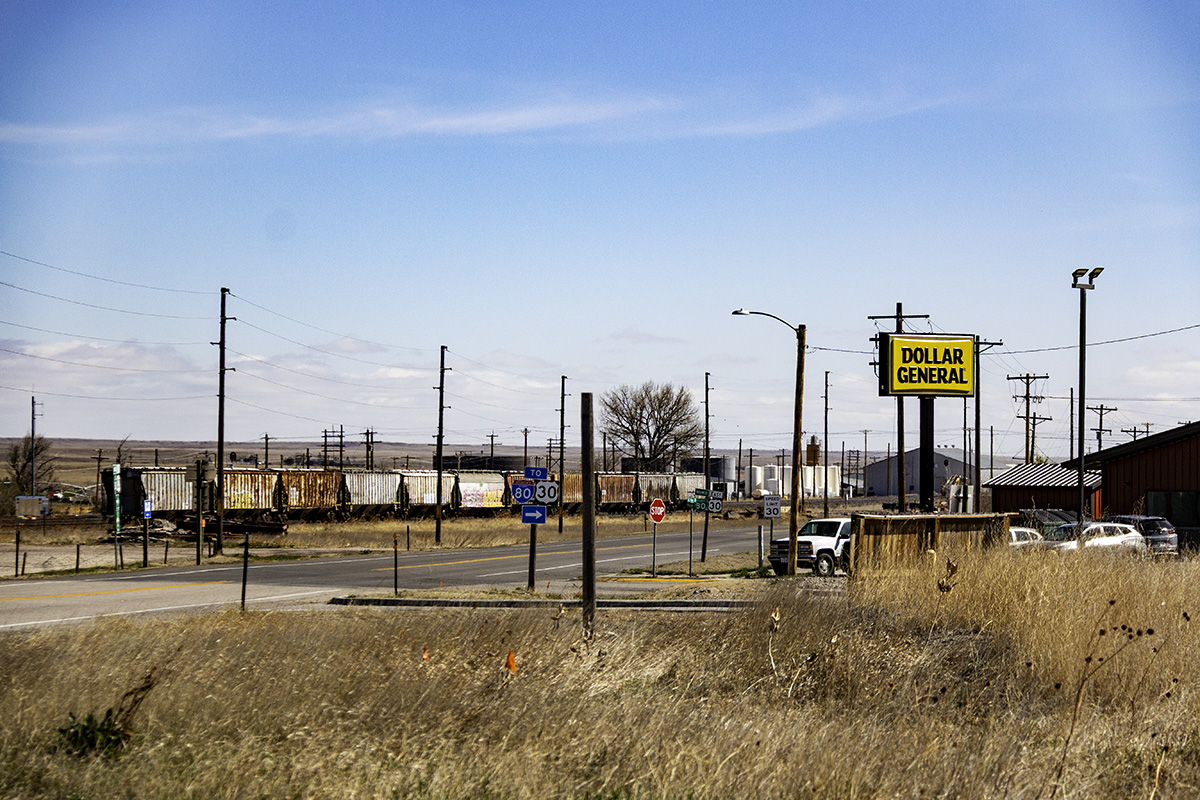
28 Stores: A Survey of Dollar Generals in Wyoming, Vol I& Vol II
The original title for this project was 27 Stores, however, in my travel around the state I found a newly opened store in Green River that was not listed on the Dollar General website when the project started.
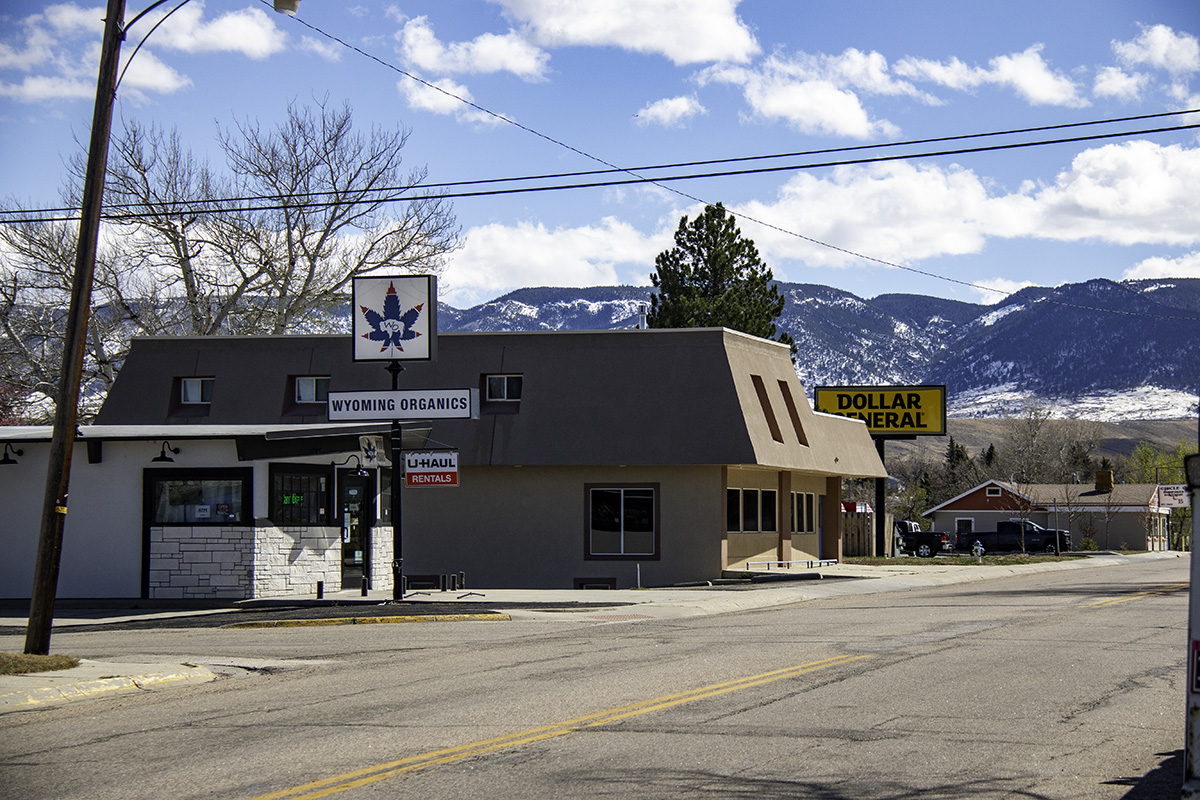
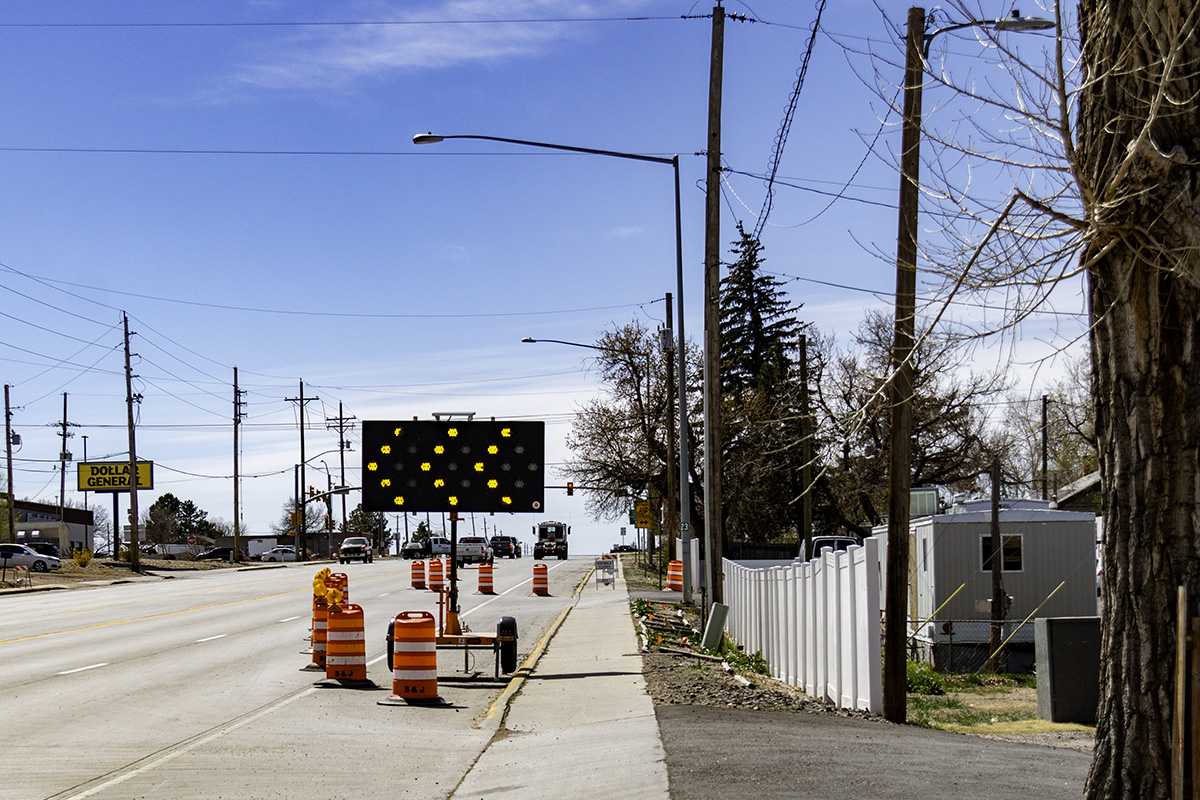
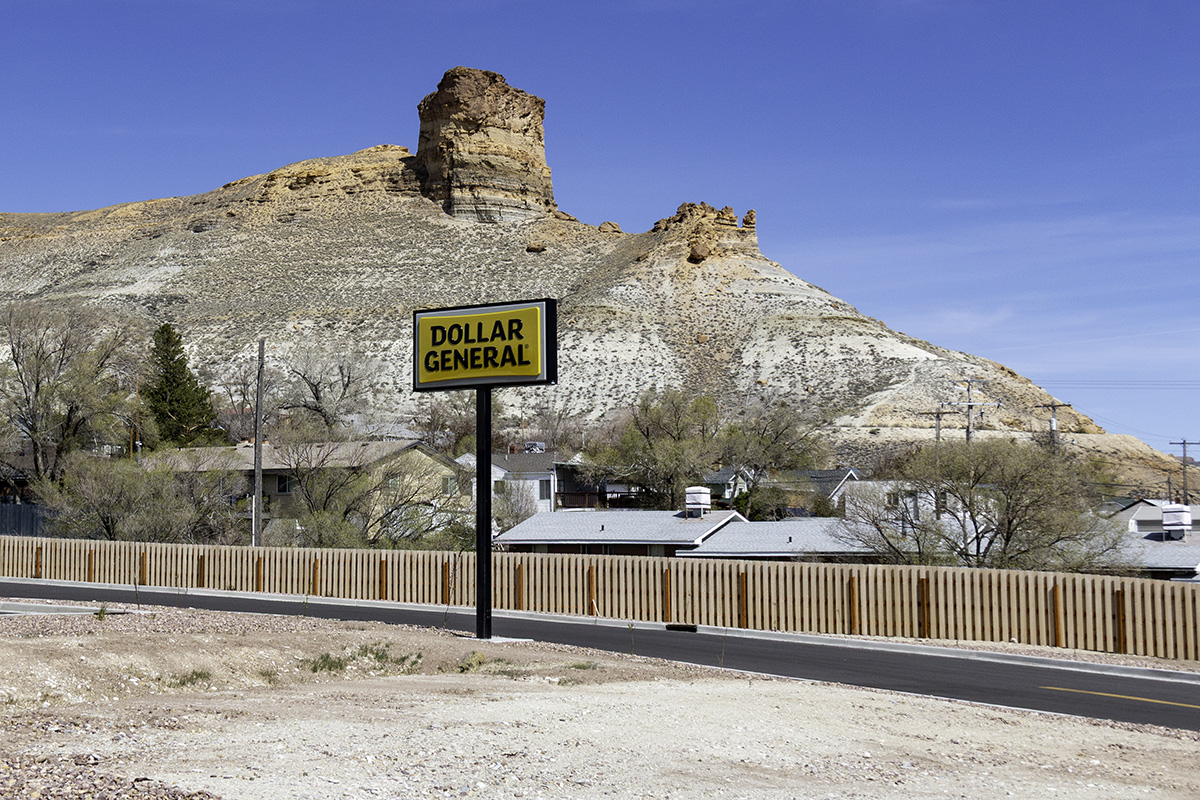
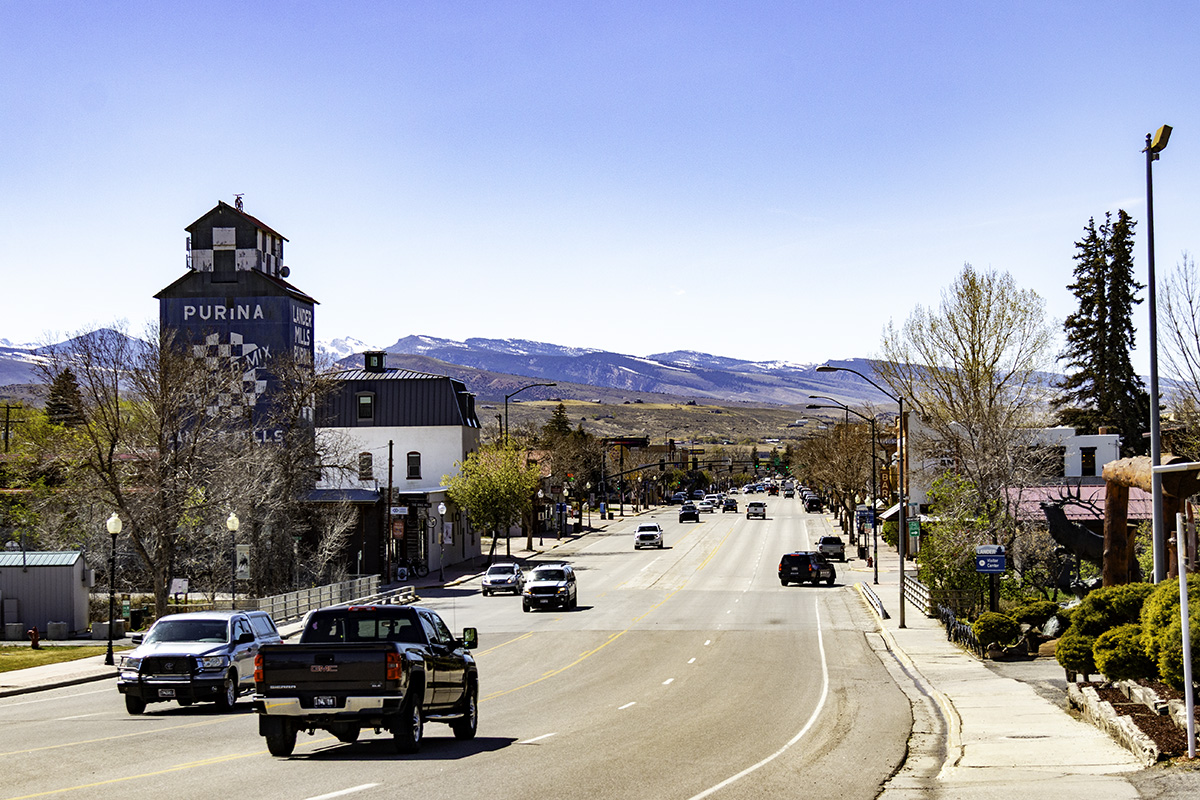
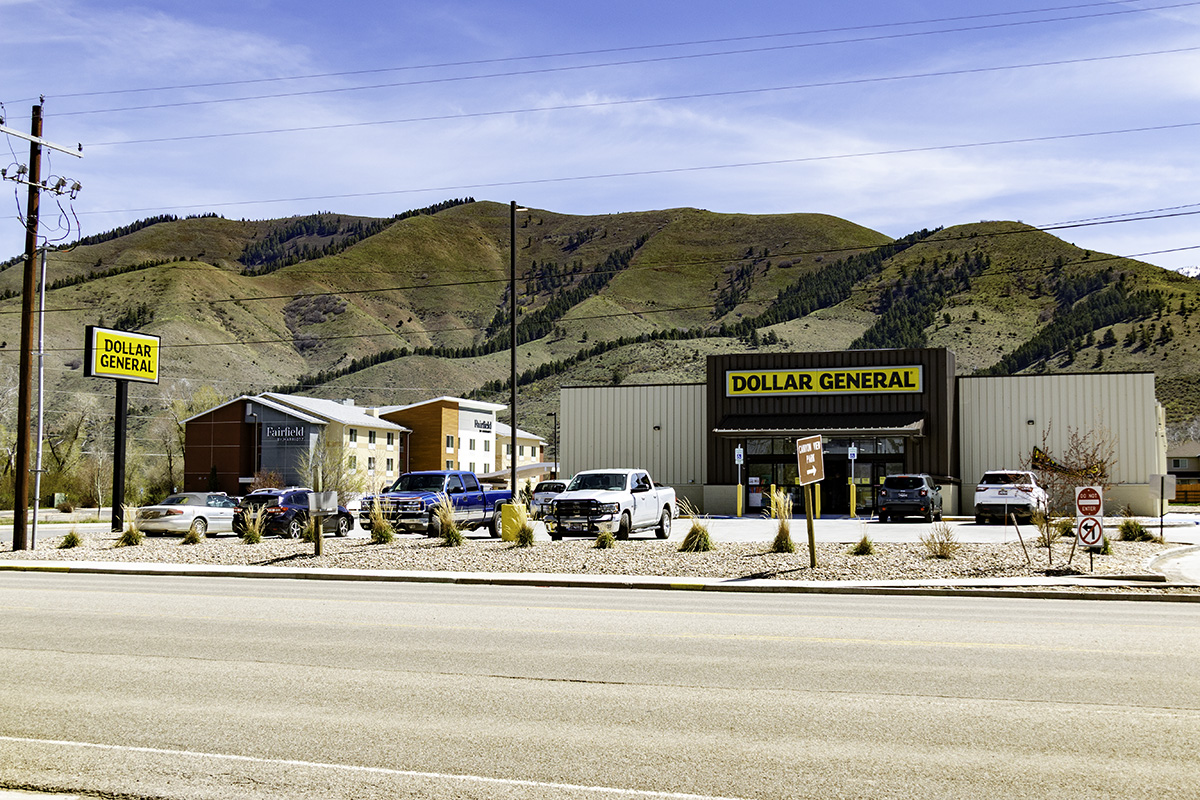
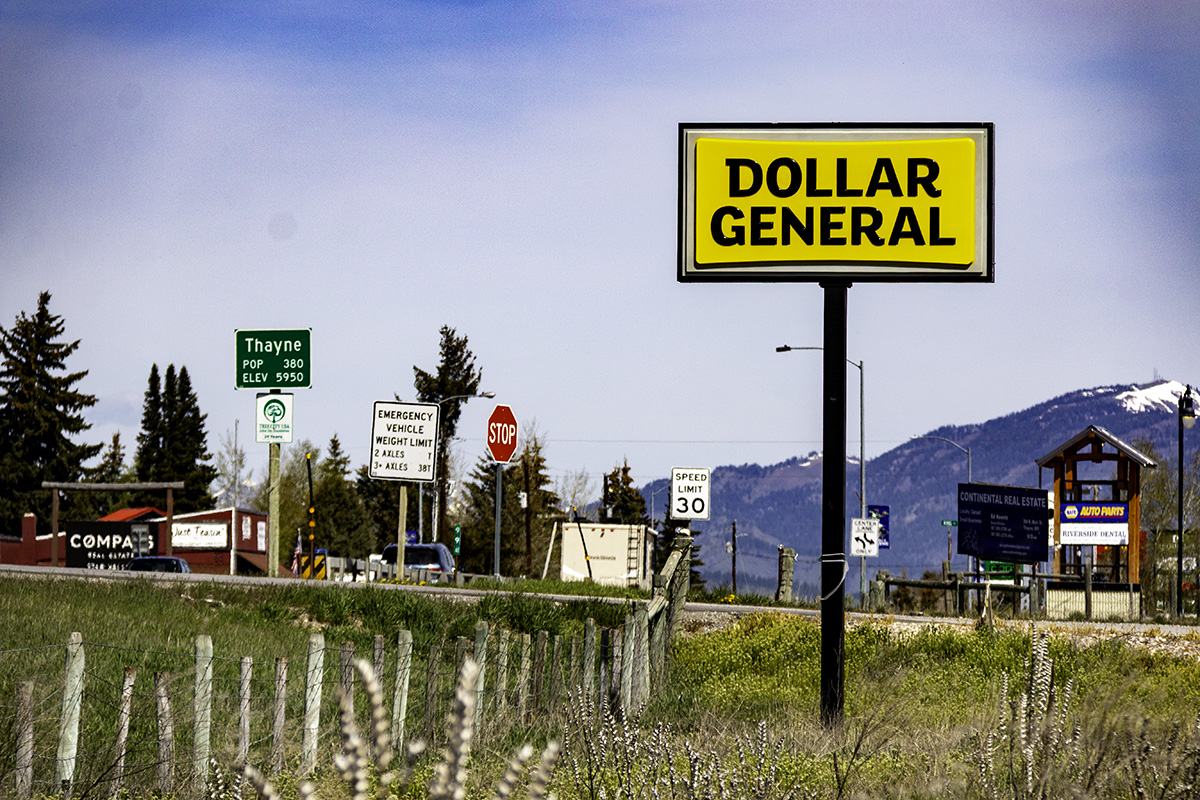
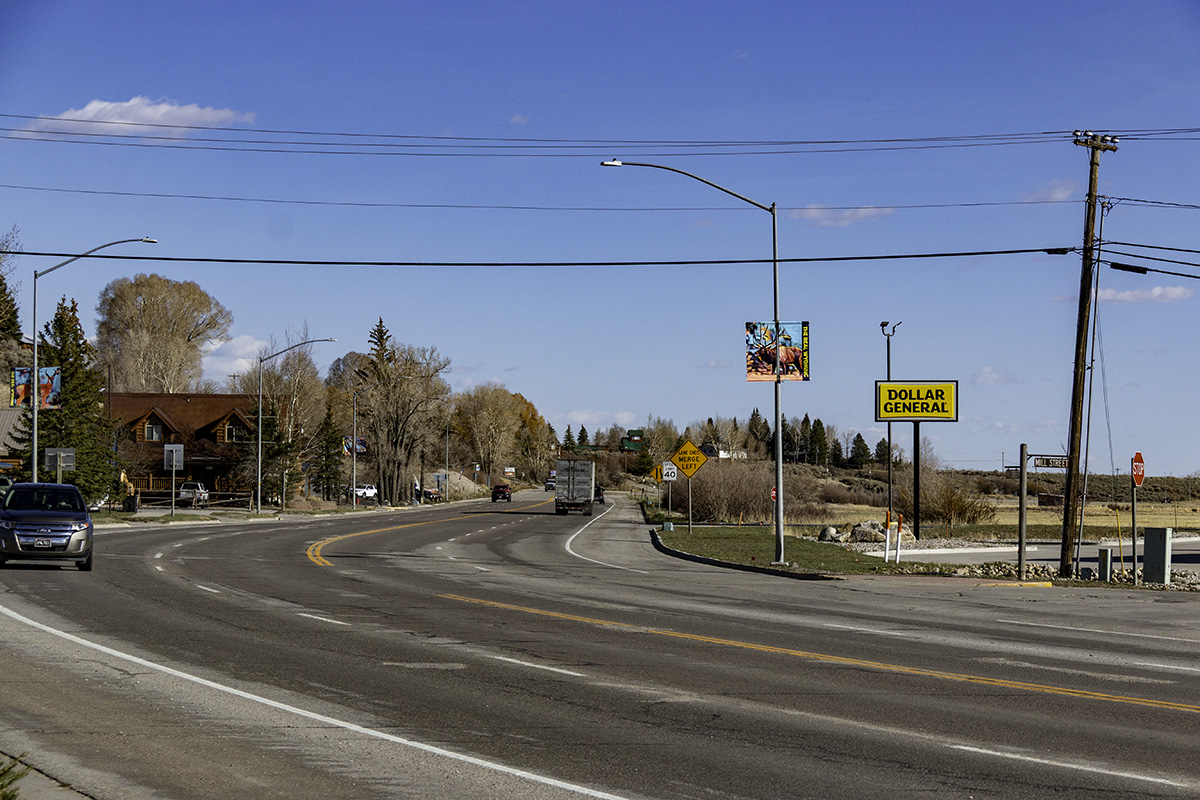
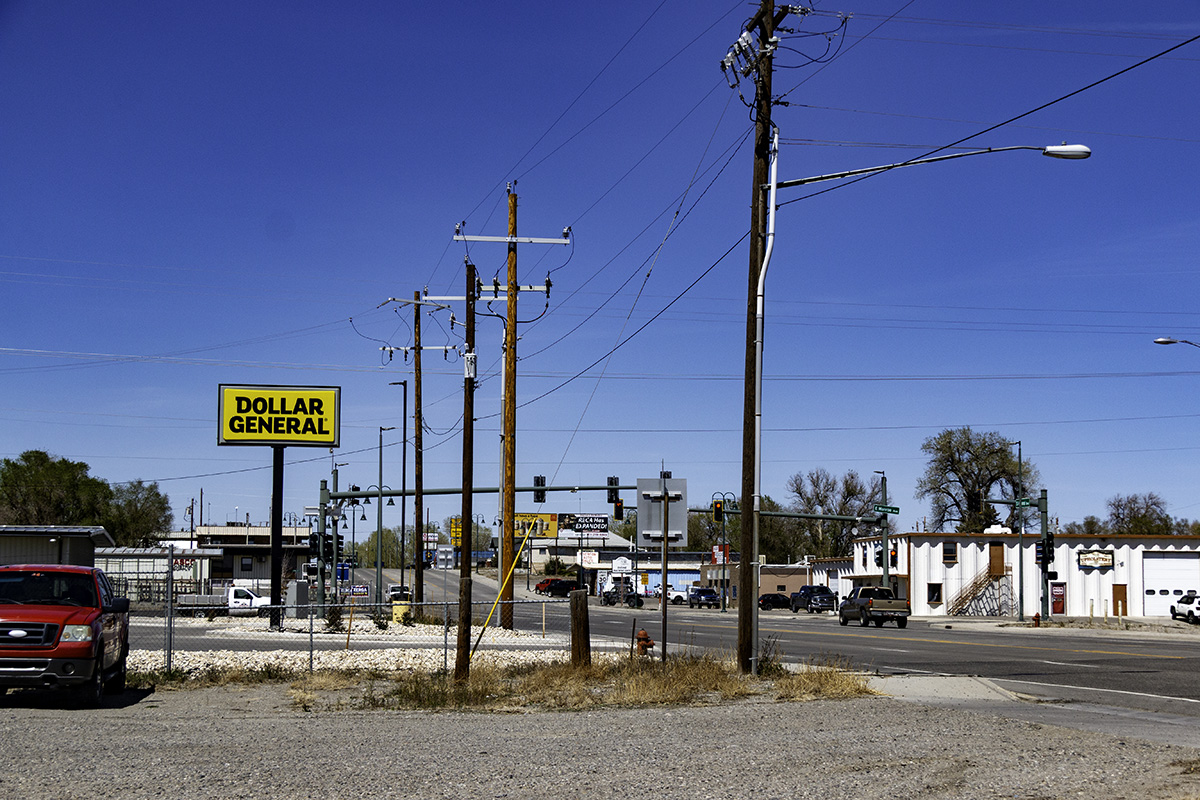
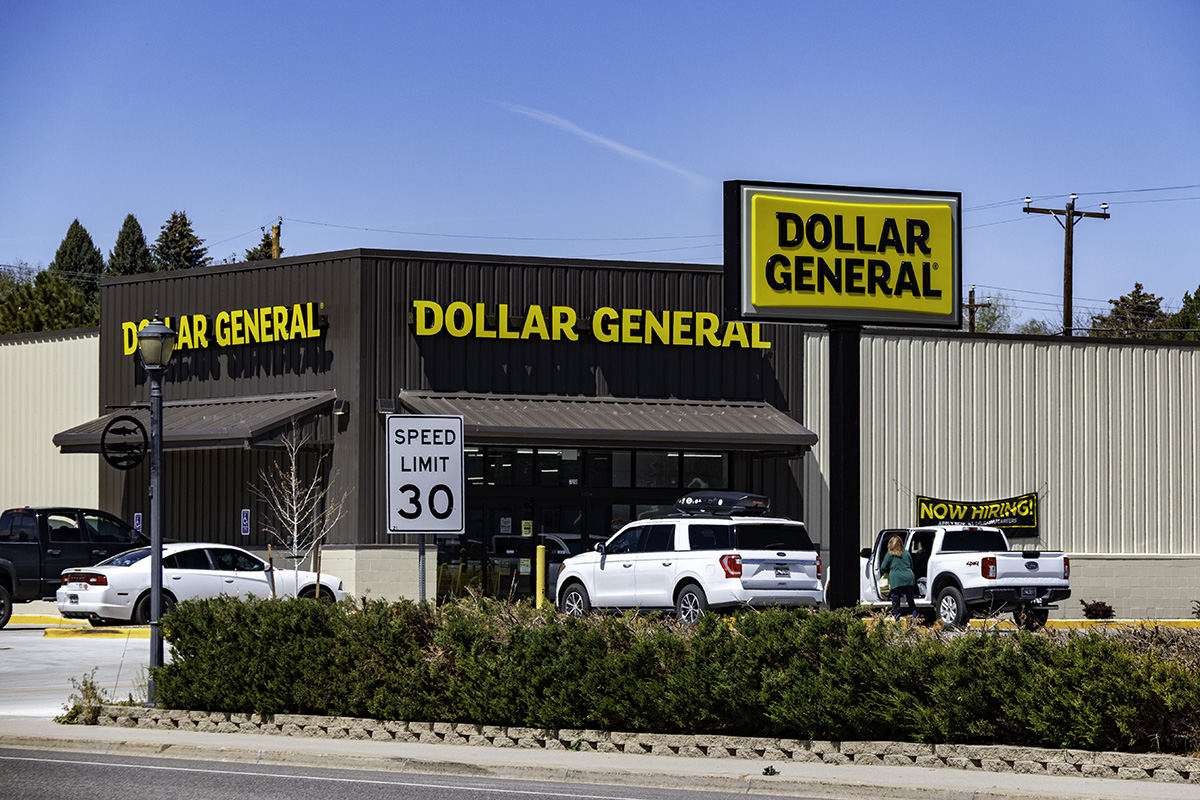
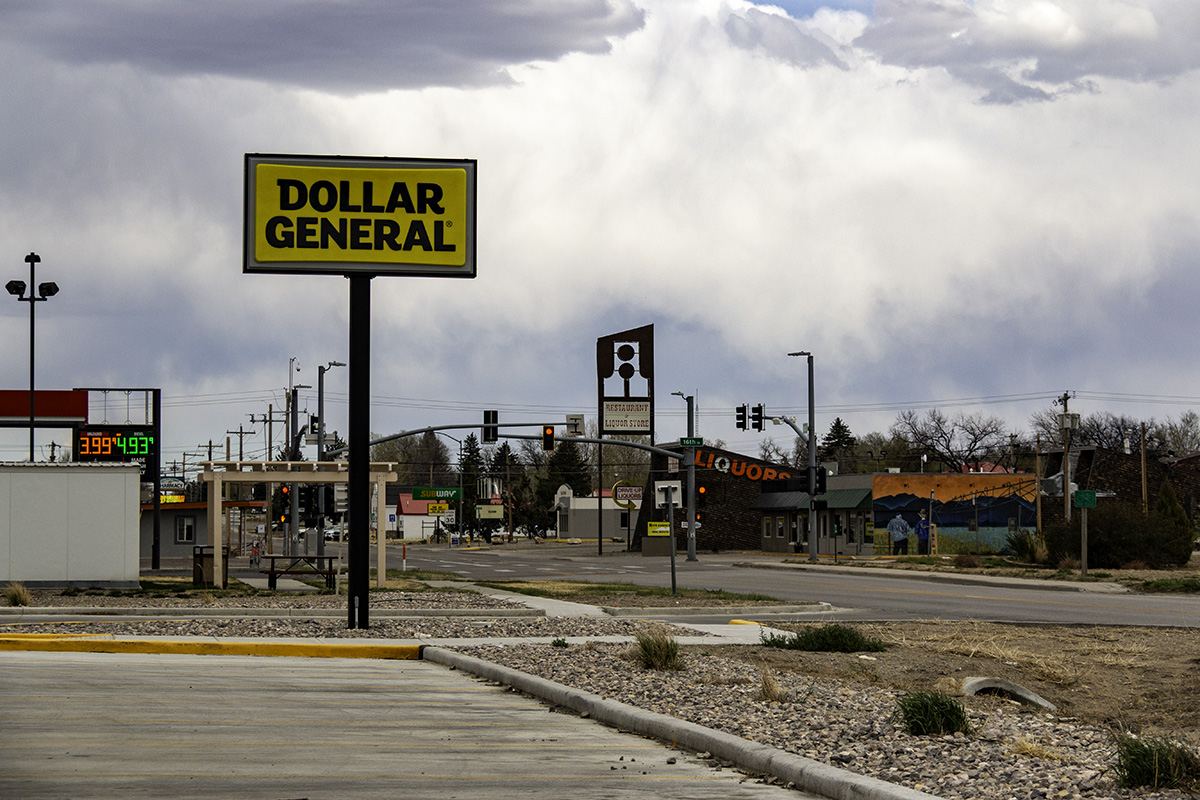
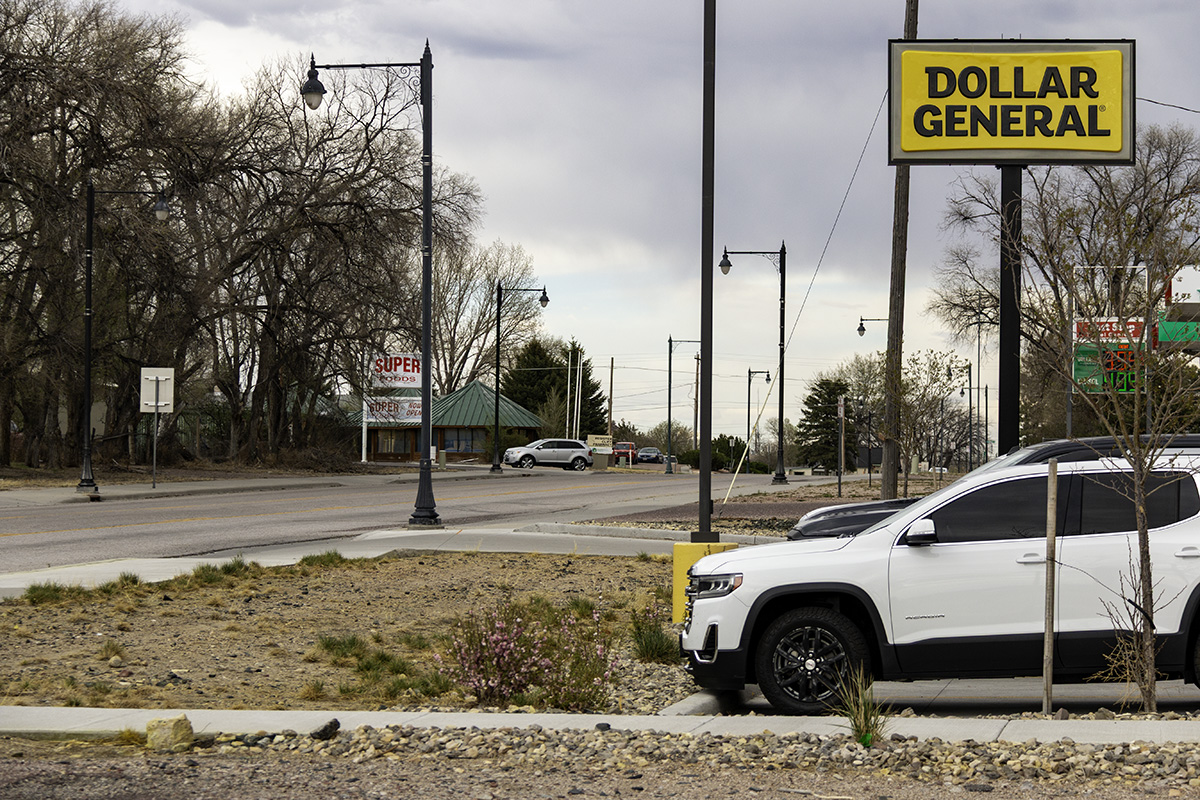
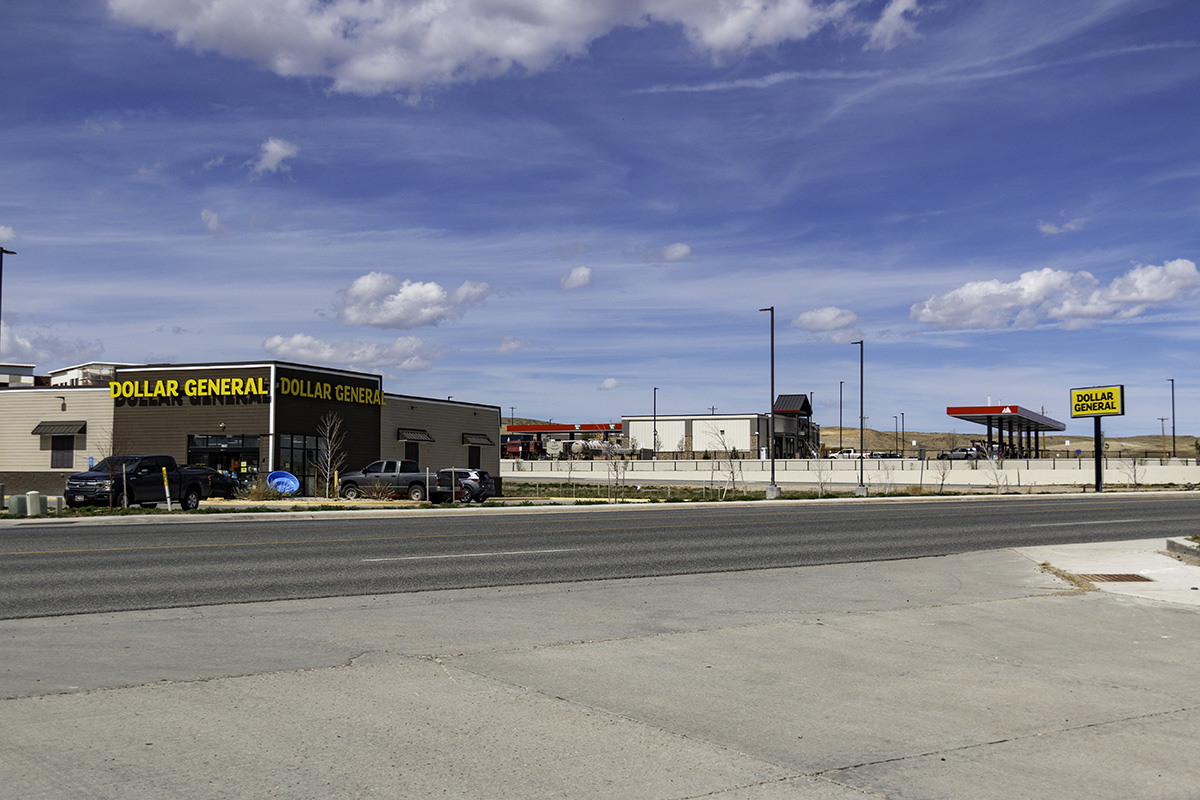
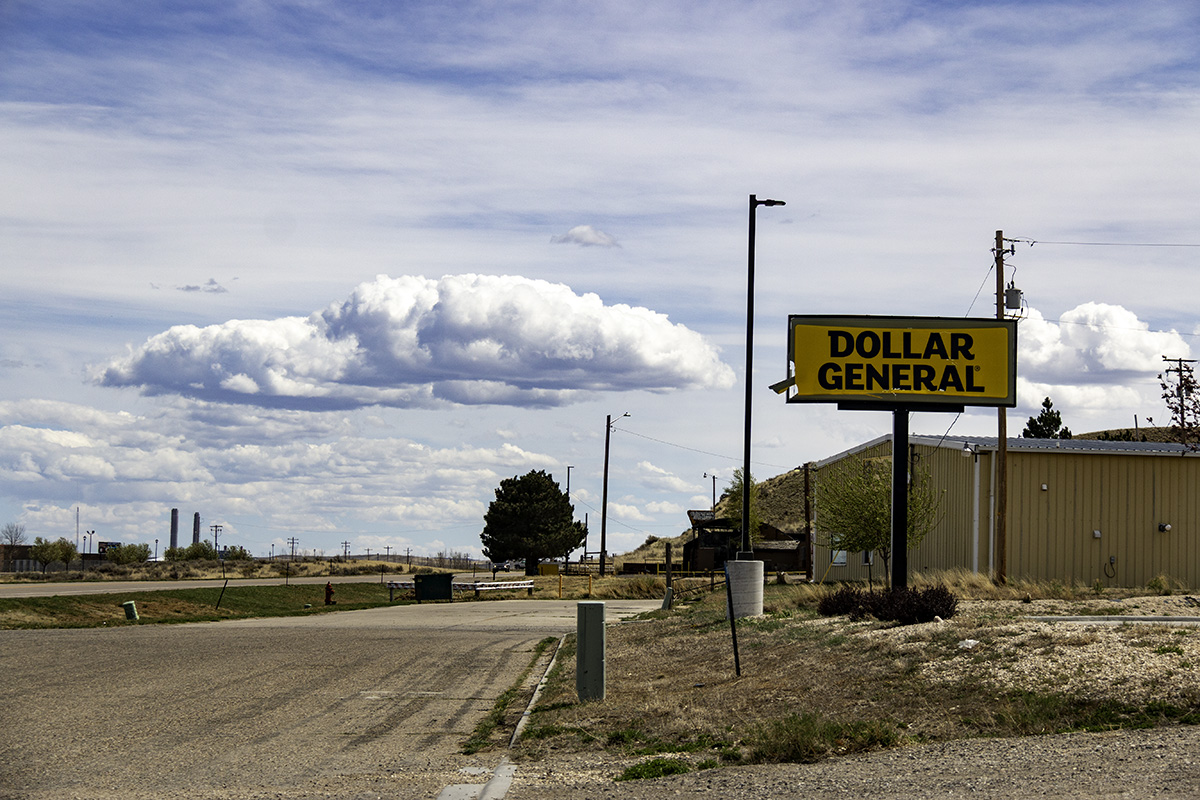
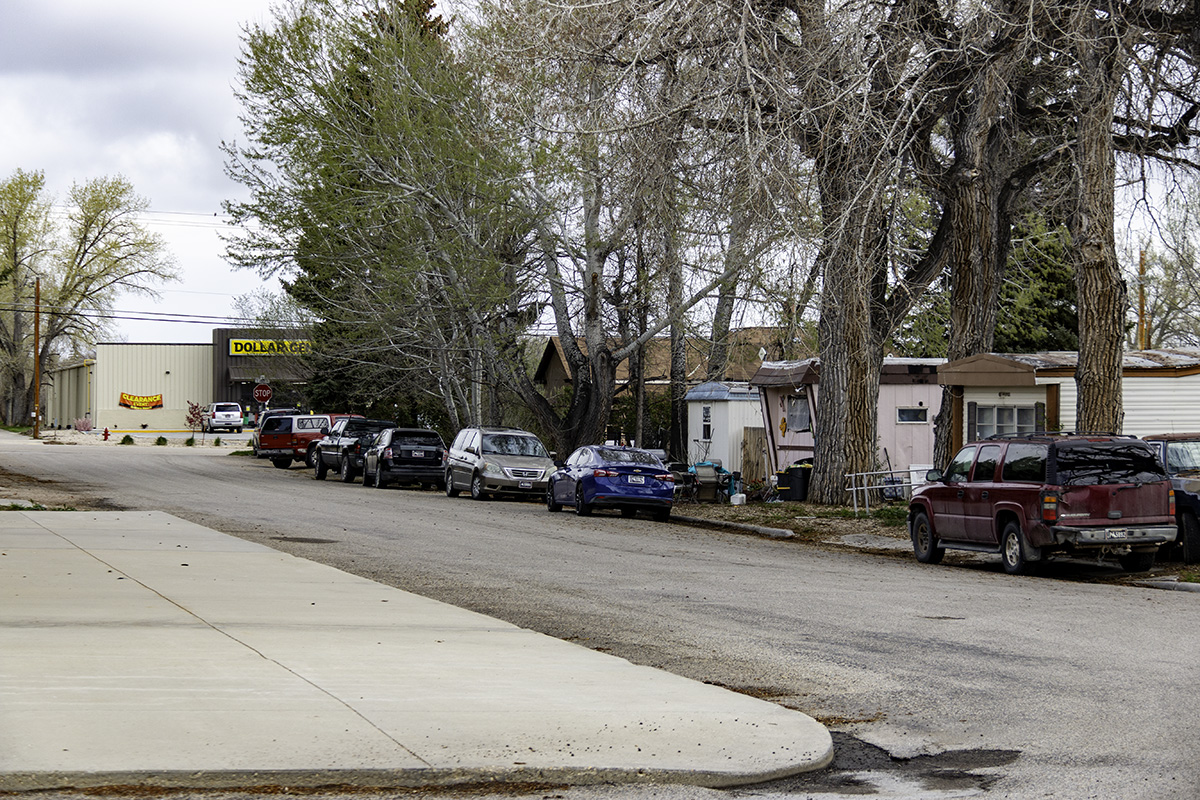
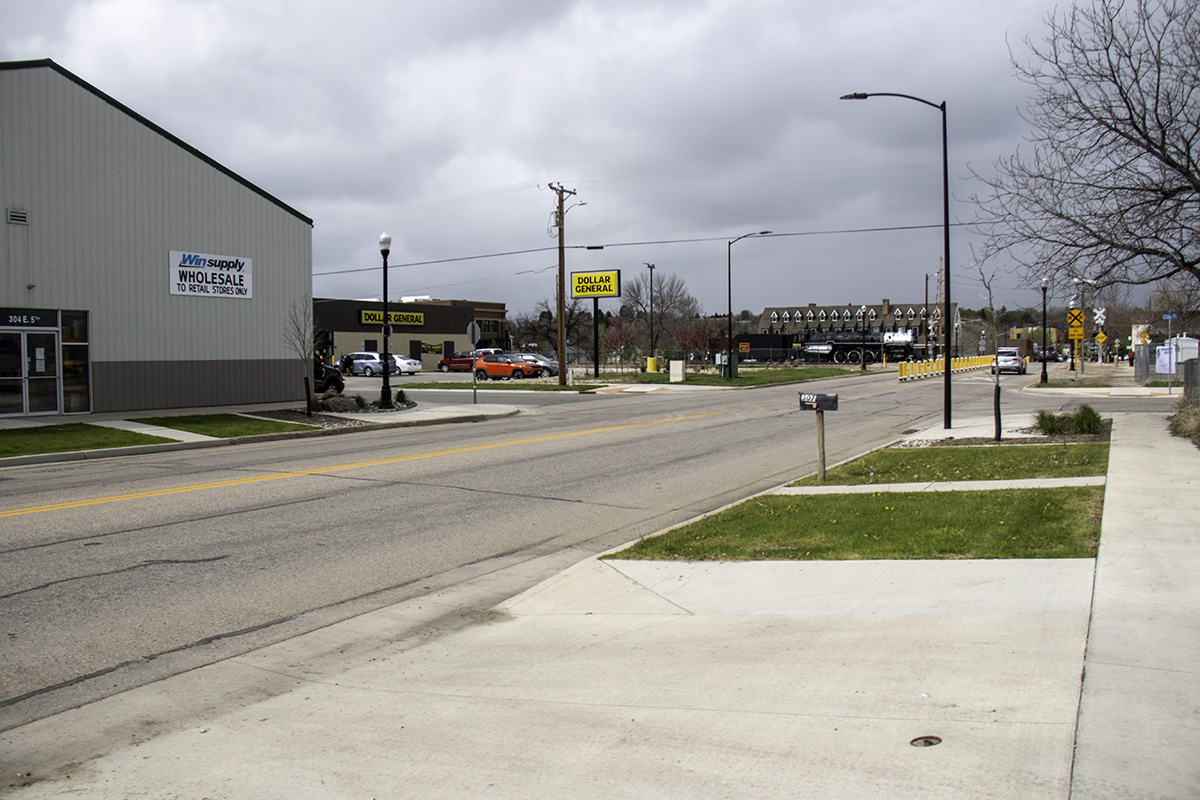
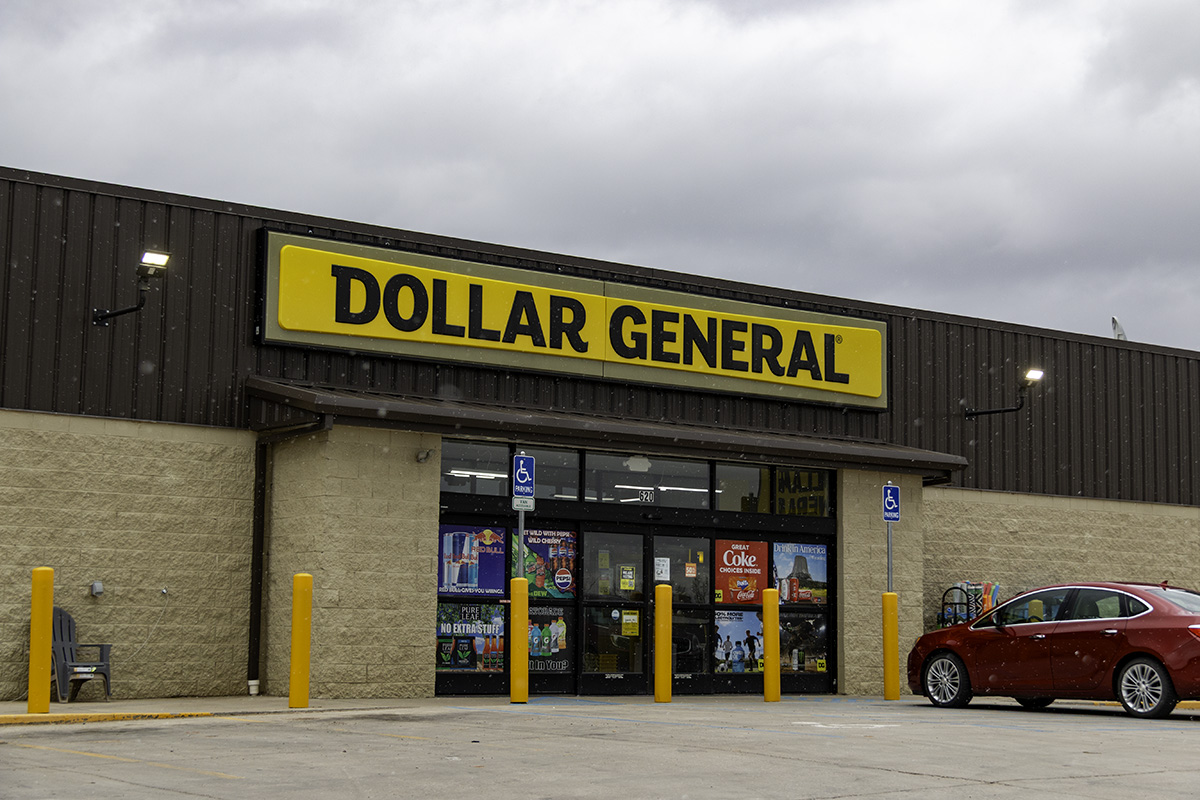
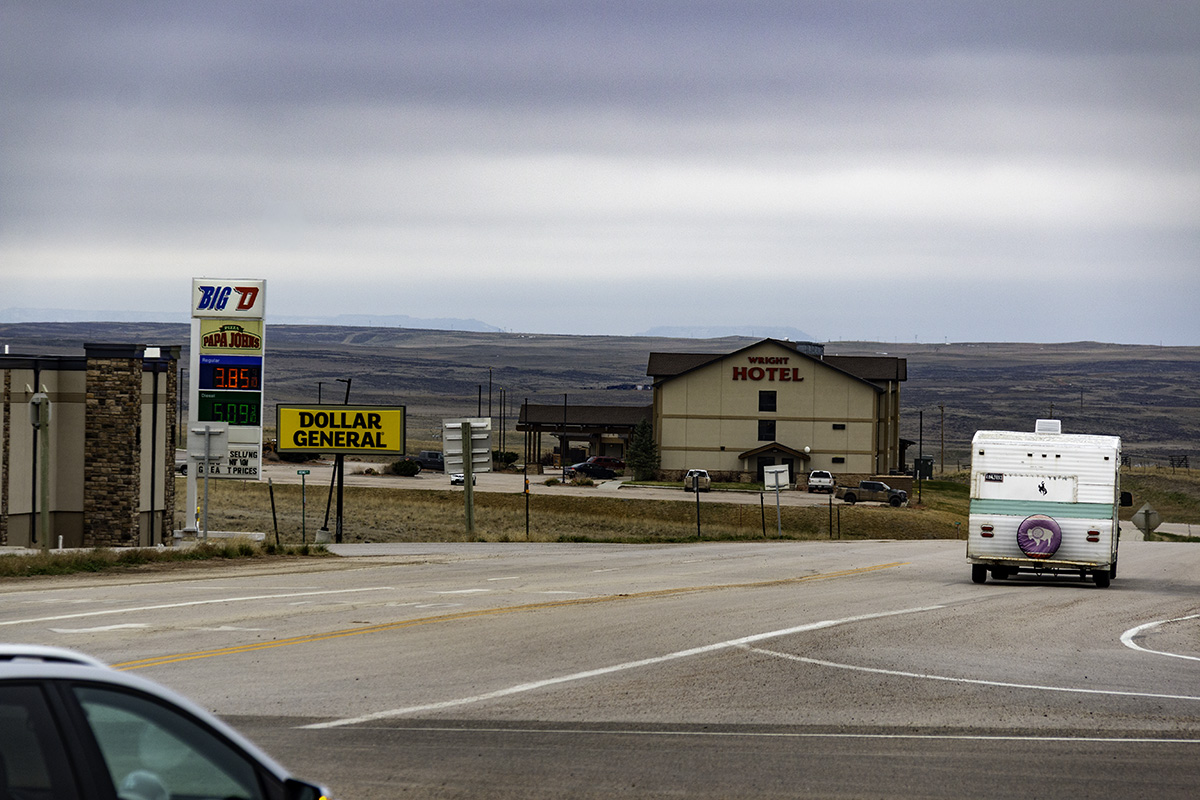
As of 2026, there are 20,388 Dollar General stores across the United States. In Wyoming, 28 of those stores are spread across 21 cities or towns: Afton, Buffalo, Casper, Cheyenne, Douglas, Gillette, Glenrock, Green River, Guernsey, Lander, Laramie, Moorcroft, Newcastle, Pine Bluffs, Pinedale, Riverton, Sheridan, Thayne, Thermopolis, Wheatland, and Wright. These stores are visually consistent, modest buildings with familiar signage, often placed along main roads or at the edges of town. Their repetition across the landscape makes them both highly visible and, at times, easy to overlook.
Dollar General stores are frequently built in rural communities and lower-income areas where access to full-service grocery stores can be limited. In many of these cities or towns, there is no Safeway, Albertsons, or Walmart. Instead, residents rely on smaller, independently owned grocery stores that operate with tighter margins and less purchasing power, often resulting in higher prices. Dollar General offers an affordable alternative, which can draw customers away from these local businesses and, in some cases, contribute to their closure. While the stores provide convenience, they carry no fresh food and rely heavily on packaged and shelf-stable products.
The presence of these stores can shift patterns of access and consumption. What begins as a convenient option can become a primary source of food, particularly in places where alternatives are distant or unaffordable. Over time, this can reinforce limited access to fresh and nutritious options reinforcing food deserts.
Dollar General has also faced ongoing scrutiny for its business practices. The company was sued for deceptive pricing in 2019, and again in 2022 and 2023, with allegations that customers were charged more at the register than the price listed on the shelf. In 2026, Dollar General was in the process of negotiating an $8.5 million nationwide class action settlement related to overcharging claims. The company has either been sued, settled lawsuits, or faced fines for deceptive pricing practices in Alabama, Arizona, Colorado, Florida, Louisiana, Mississippi, Missouri, New Jersey, New York, North Carolina, Ohio, Oklahoma, Pennsylvania, South Carolina, Vermont, West Virginia, and Wisconsin.
Despite these legal challenges, Dollar General remains highly profitable, reporting a gross profit of $13.1 billion dollars for the twelve months ending January 31, 2026, marking a year-over-year increase of 9%. The discrepancies in pricing, while often small at the individual level, disproportionately affect customers with the least financial stability and flexibility, reinforcing the broader economic conditions in which these stores operate.
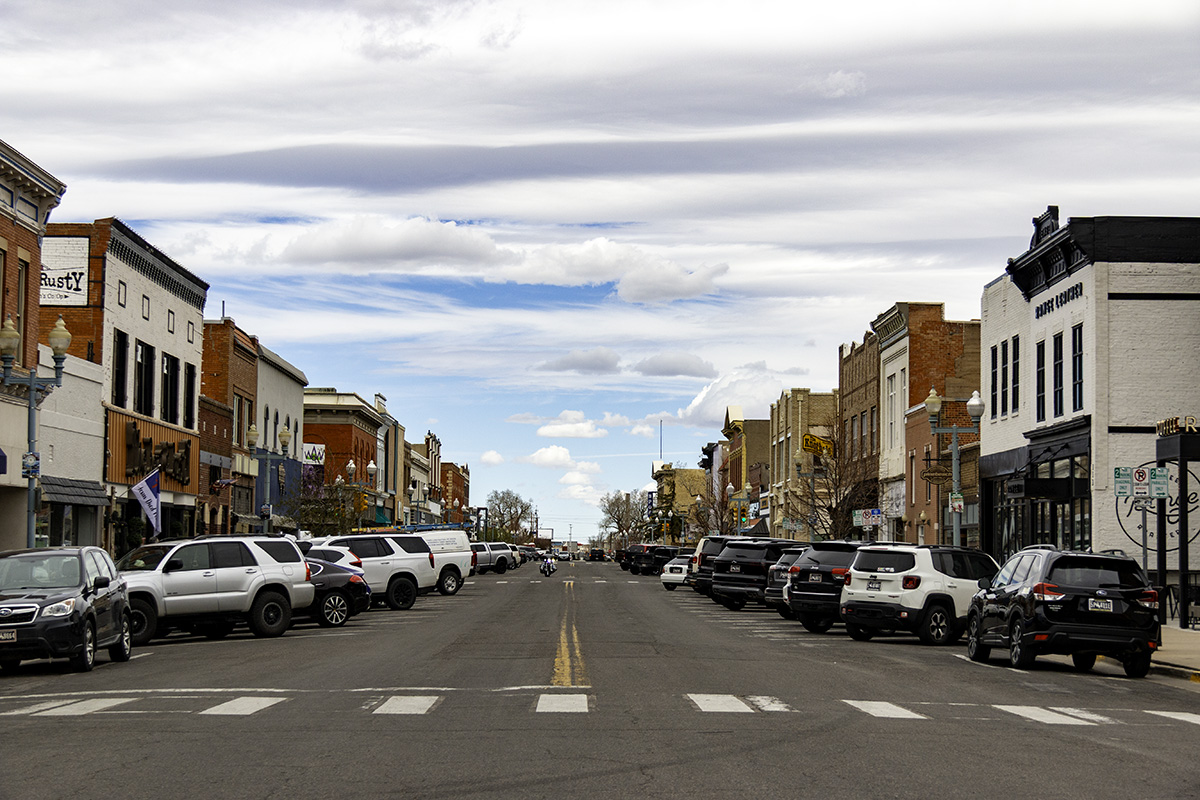
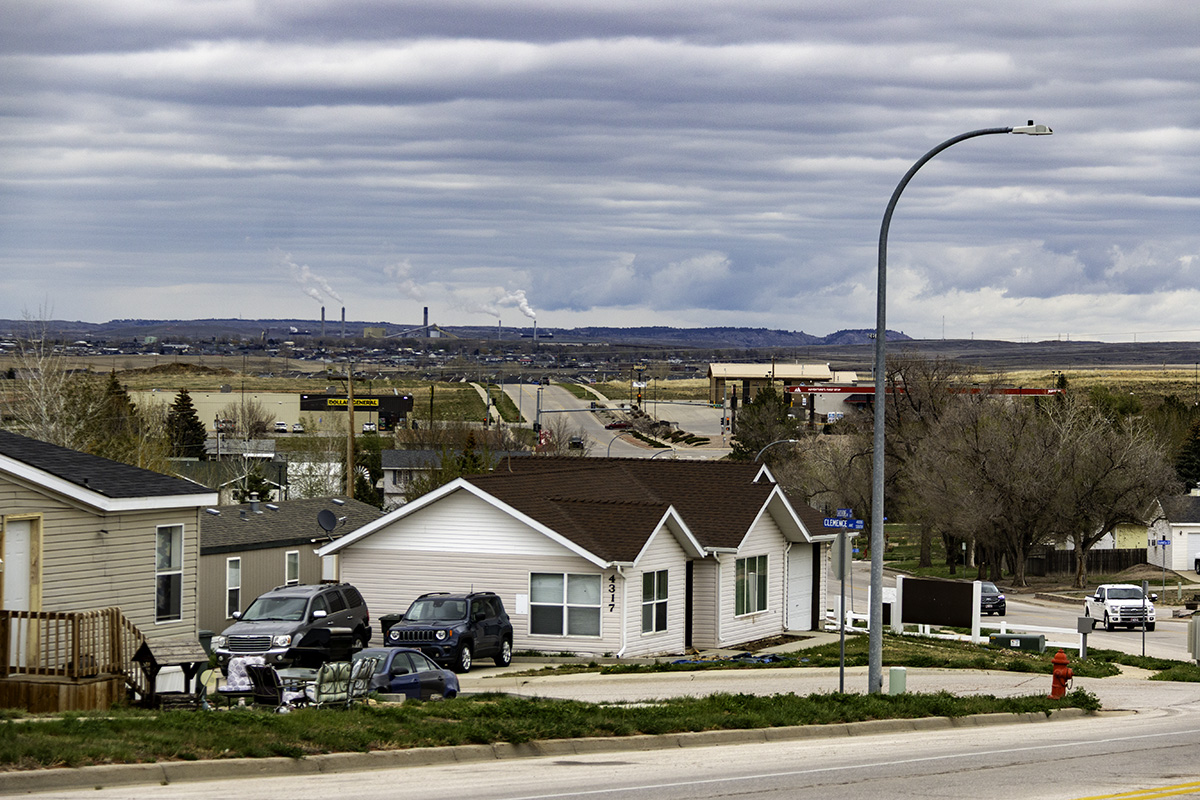
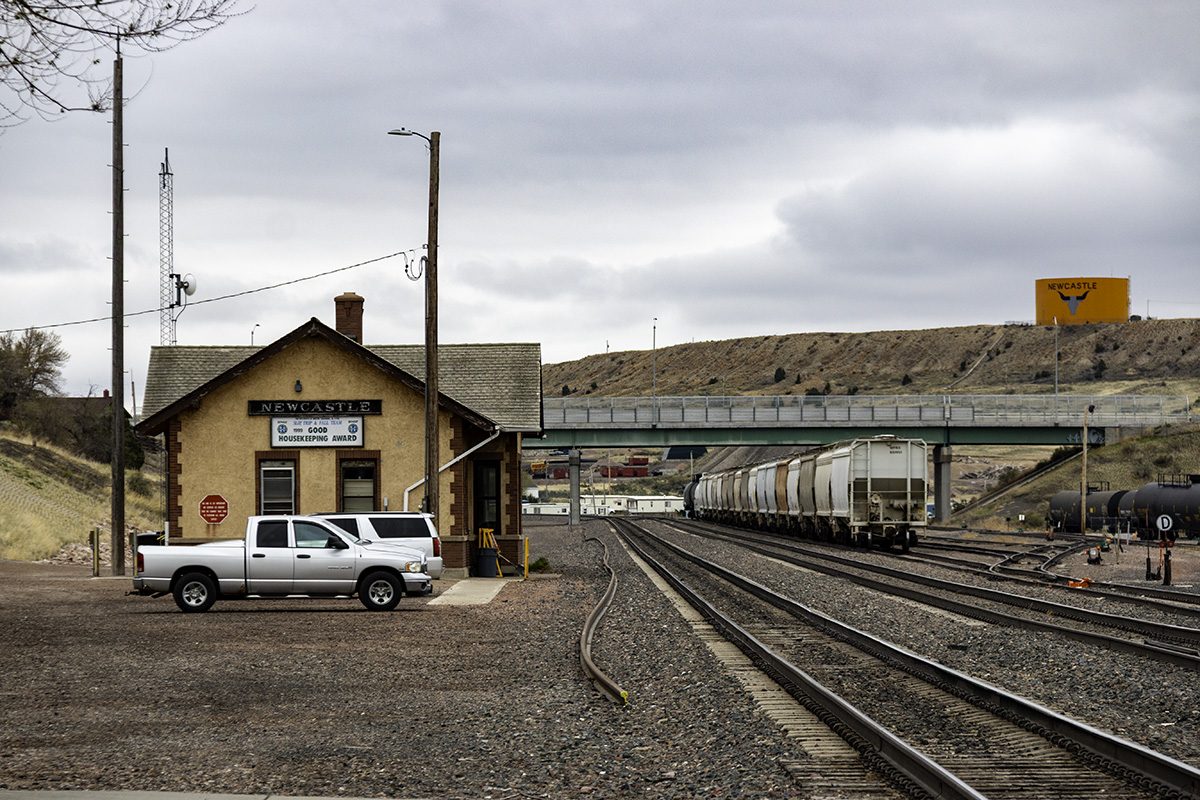
These two volumes document Dollar General locations across Wyoming, pairing photographs with contextual data for each city or town, including population, median income, number of grocery stores, and distance to the nearest major chain retailer. For the purposes of this project, major grocery stores are defined as Safeway, Albertsons, and Walmart, the primary large-scale grocery chains operating within the state. Together, the images and data create a record of where these stores are placed and what their presence reveals about access, economics, and their environment.
View both books in their entirety by using the links below.